It does not have to be boring to eat healthy. Vegetables are an essential part of our diet, because they are suitable for our health. They are packed with nutrients, vitamins, fiber, and antioxidants. Eating more veggies every day can give you more energy, make you less likely to get sick, and lower your chance of getting long term ailments. This article will provide you with simple, tasty, and practical ways to incorporate vegetables into the meals you already prepare.
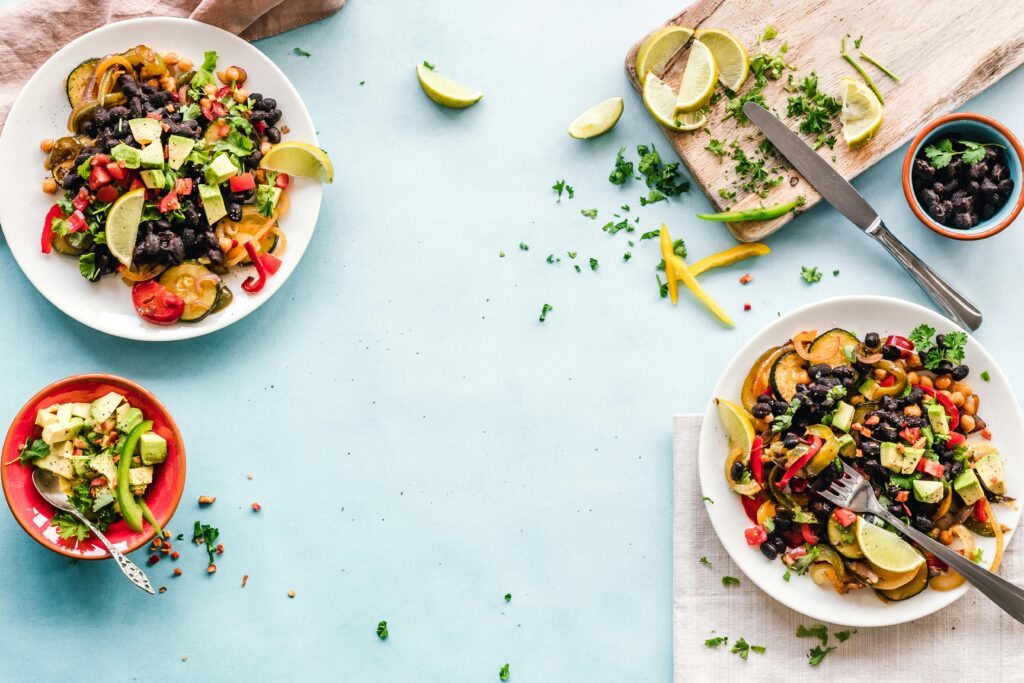
Benefits of Vegetables in Everyday Meals
Vegetables are not merely decorative items on your plate; they are essential for your health. Adding them to your meals daily has numerous benefits.
Nutritional Value of Vegetables
Vegetables are low in calories but high in essential nutrients. They contain vitamins A, C, and K, as well as minerals such as potassium and magnesium, and fiber that aids digestion. Eating a variety of vegetables ensures that you get a combination of nutrients your body needs to stay healthy.
Support for Weight Management
Vegetables fill you up longer because they are low in calories and high in fiber. Adding them to your meals will help you regulate your appetite, reduce snacking, and achieve your weight loss goals without compromising flavor.
Disease Prevention
Eating veggies regularly lowers the risk of heart disease, diabetes, and several types of cancer. Antioxidants and phytonutrients in vegetables protect the body from free radicals that can be damaging and help keep you healthy.
Easy Vegetable Breakfast Ideas
Eating vegetables in the morning can provide you with more energy, aid digestion, and keep you satisfied until lunch.
Veggie Omelette
A vegetable omelette is a quick, healthy, and tasty meal. Put spinach, tomatoes, bell peppers, and onions in your eggs. You can add a little cheese for flavor or use plant based substitutes. This meal is packed with protein and other important nutrients that will help you start your day off well.
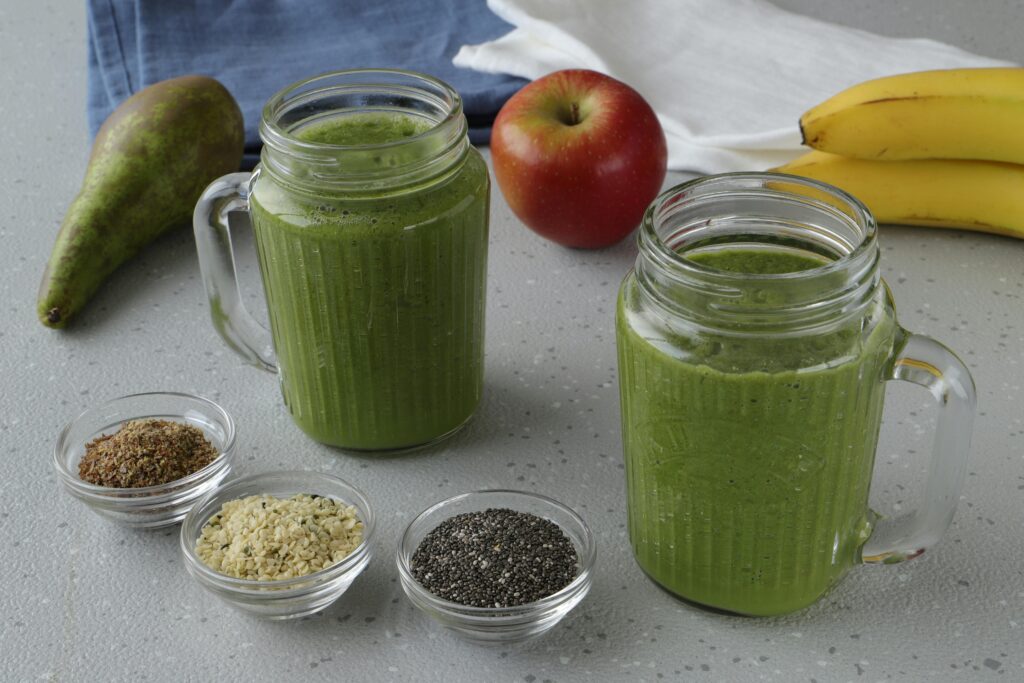
Green Smoothies
An excellent way to incorporate a variety of vegetables into one drink is to make a green smoothie. Add some fruit, such as a banana or an apple, to the mix with the spinach, kale, and cucumber. Adding flaxseeds or chia seeds increases the fiber content. Green smoothies are light, refreshing, and great for hectic mornings.
Veggie Avocado Toast
Add avocado, sliced tomatoes, cucumbers, and sprouts to your morning toast to make it better. Add some salt, pepper, and lemon juice to taste. This simple meal is full of elements that your body needs, such as healthy fats, fiber, and vitamins.
Vegetable Rich Lunch Recipes
Lunch is a great time to enjoy a variety of vegetables.
Quinoa and Veggie Salad
Mix cooked quinoa with roasted veggies like zucchini, bell peppers, and carrots. For taste, drizzle some olive oil and lemon juice on top. This salad is a healthy lunch option, as it contains a good amount of protein, fiber, and antioxidants.
Vegetable Stir Fry
A stir fry is a quick, healthful, and adaptable lunch choice. Use mushrooms, snap peas, carrots, and broccoli. Use as little oil as possible and add garlic, ginger, and soy sauce for flavor. A full supper can be made with brown rice or noodles.
Veggie Wraps
Wrap whole grain tortillas around fresh vegetables like lettuce, tomatoes, cucumbers, and shredded carrots. Put some hummus or a mild yogurt dressing on top. Veggie wraps are easy to make, easy to carry, and great for meals on the go.
Healthy Vegetable Dinner Ideas
Dinner should be light but filling, and it should include vegetables to make it a balanced meal.
Roasted Vegetable Medley
Use olive oil, garlic, and herbs to roast veggies that are in season, like sweet potatoes, bell peppers, and cauliflower. Roasting brings out the flavor and keeps the nutrients. For a full supper, serve with grilled meat or plant based choices.
Vegetable Soup
Vegetable soups are easy to make, filling, and warm. Use tomatoes, onions, spinach, carrots, and celery. Add beans or lentils to increase your protein intake. Soups are low in calories but high in nutrients, making them an excellent choice for a healthy dinner.
Zucchini Noodles with Veggie Sauce
Instead of spaghetti, use zucchini noodles and cover them with a sauce made of tomatoes and vegetables. Put mushrooms, spinach, and bell peppers in your sauce. This dish is light, healthy, and filling because it contains a high amount of fiber and a low amount of carbs.
Creative Vegetable Snacks
You can also add vegetables to your snacks to keep you from getting hungry between meals.
Veggie Sticks with Hummus
Cut bell peppers, cucumbers, and carrots into sticks and serve them with hummus. This snack is crispy, filling, and packed with protein, fiber, and essential minerals.
Baked Veggie Chips
You can make chips out of kale, sweet potatoes, or zucchini. Put some spices and olive oil on the baking. These are healthier alternatives to fried chips, retaining the nutrients in the vegetables.
Stuffed Bell Peppers
Fill small bell peppers with a mix of quinoa, beans, and veggies. Please put it in the oven for 15 to 20 minutes. This snack is healthy, tasty, and great for giving you energy in the afternoon.
Tips to Make Vegetables Taste Better
Some people do not eat veggies because they think they taste bland. Here are several ways to enhance the taste of food without adding harmful substances.
Use Herbs and Spices
Basil, cilantro, and parsley are examples of fresh herbs. Cumin and paprika are two spices that can enhance the flavor of vegetables on their own.
Try out different ways to cook
Diverse cooking methods, such as roasting, grilling, steaming, or sautéing, bring out a range of flavors and textures in vegetables. Mixing up how you cook makes meals interesting.
Combine with Healthy Fats
Combining vegetables with olive oil, avocado, nuts, or seeds enhances their flavor and helps the body absorb vitamins A, D, E, and K, which are soluble in fat.
Meal Prep Ideas for Busy Days
You can save time and ensure you eat healthy, even on busy days, by preparing your vegetables ahead of time.
Batch Cooking
Prepare a variety of vegetables at once, such as roasted sweet potatoes, carrots, or broccoli. Store them in the fridge so you can use them throughout the week.
Pre Chopped Vegetables
Store chopped vegetables, such as cucumbers, bell peppers, and onions, in containers that prevent air from entering. This makes it easy to swiftly add them to soups, salads, or stir fries.
Putting vegetables in the freezer
Frozen vegetables keep most of their nutrients and can be a handy choice. Have spinach, peas, broccoli, and mixed vegetables on hand so you can use them in smoothies or cooked meals.
Seasonal Vegetables for Year Round Health
Eating vegetables that are in season ensures they are fresh, affordable, and packed with more nutrients.
Spring Vegetables
Asparagus, spinach, peas, and radishes come in the spring. These are light, flexible, and great for salads and stir fries.
Summer Vegetables
Zucchini, tomatoes, bell peppers, and cucumbers are all in season in the summer. These veggies are great for grilling, making salads, or cold soups.
Fall and Winter Vegetables
Carrots, sweet potatoes, kale, and cauliflower are sturdy vegetables that are great for roasting or soups in the fall and winter.
Vegetables and Weight Loss
Because they are low in calories and high in fiber, vegetables are essential for maintaining a healthy weight.
High Fiber Content
Fiber helps you feel full, which in turn lowers your hunger and overall calorie intake. Broccoli, carrots, and leafy greens are all healthy foods that are good for you.
Low Calorie Density
Vegetables are great for weight loss programs because they let you consume more without adding too many calories.
Boost Metabolism
Some vegetables, including chili peppers and leafy greens, contain compounds that may slightly increase metabolism, which can aid in weight loss.
Conclusion
Adding vegetables to your daily meals is easy, delicious, and essential for maintaining good health. Vegetables are good for your health because they give you necessary nutrients, help you control your weight, and save you from getting long term ailments. You can make vegetables taste good and be fun for the whole family by trying out different cooking methods and experimenting with herbs and spices. Meal planning and picking foods that are in season might help you stay on track. You can make healthy, balanced, and enjoyable meals every day with these healthy cooking tips. Add more vegetables to your diet today and live a happier, healthier life!